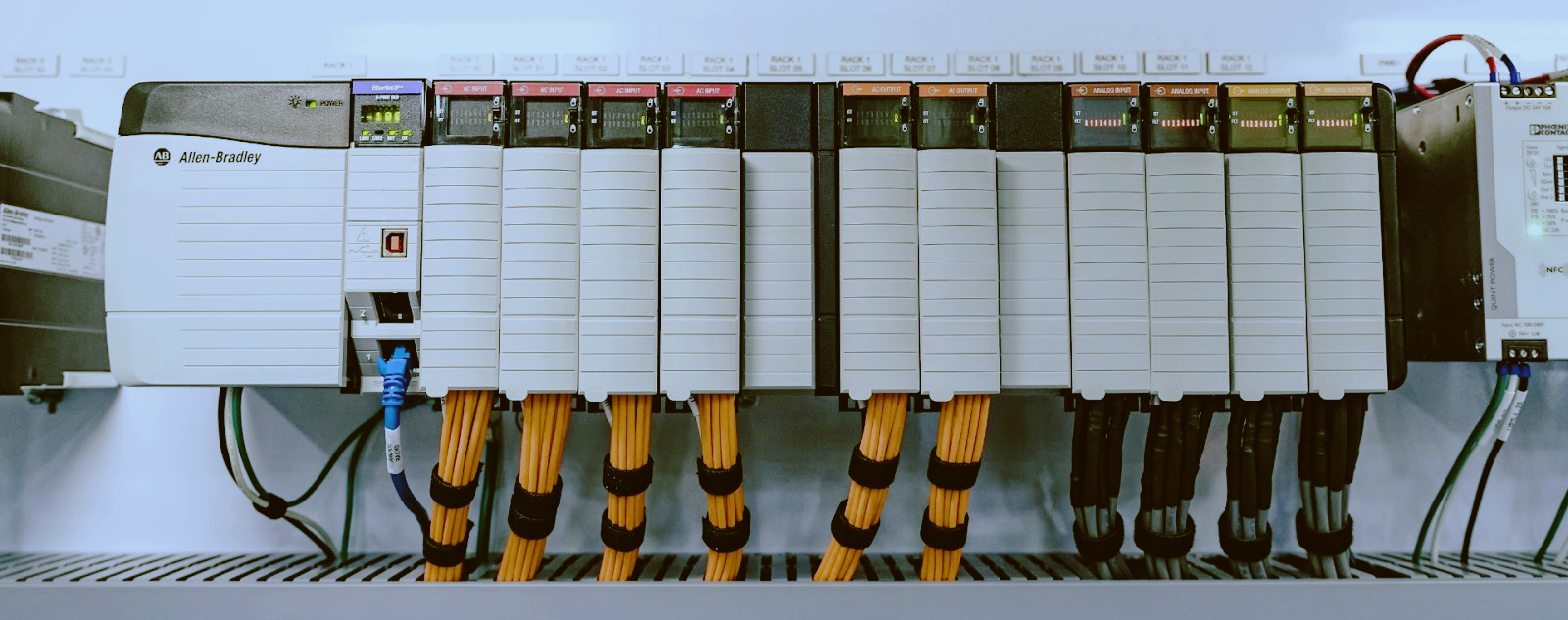
The Global Industrial Automation Landscape is Evolving Rapidly: Giants Lead the Way, Domestic Brands Rise Strongly
December 03, 2025The Global Industrial Automation Landscape is Evolving Rapidly: Giants Lead the Way, Domestic Brands Rise Strongly
(Industry Overview) As the global manufacturing industry undergoes a profound transformation towards intelligent and digital transformation, the industrial automation market is experiencing unprecedented development opportunities and a changing competitive landscape. Recently, reports released by several authoritative market research institutions (such as Gartner, Interact Analysis, and MIR) show that after a brief adjustment, the industrial automation market returned to a growth trajectory these two years, with its competitive landscape exhibiting a distinct characteristic of "international giants leading with technology, and domestic brands breaking through in niche markets."
I. Market Leaders: "All-Round Players" of Integrated Solutions
The first tier is dominated by a few multinational giants with full-chain product lines and deep industry knowledge. They are not only hardware suppliers but also top-level designers and ecosystem builders of digital transformation.
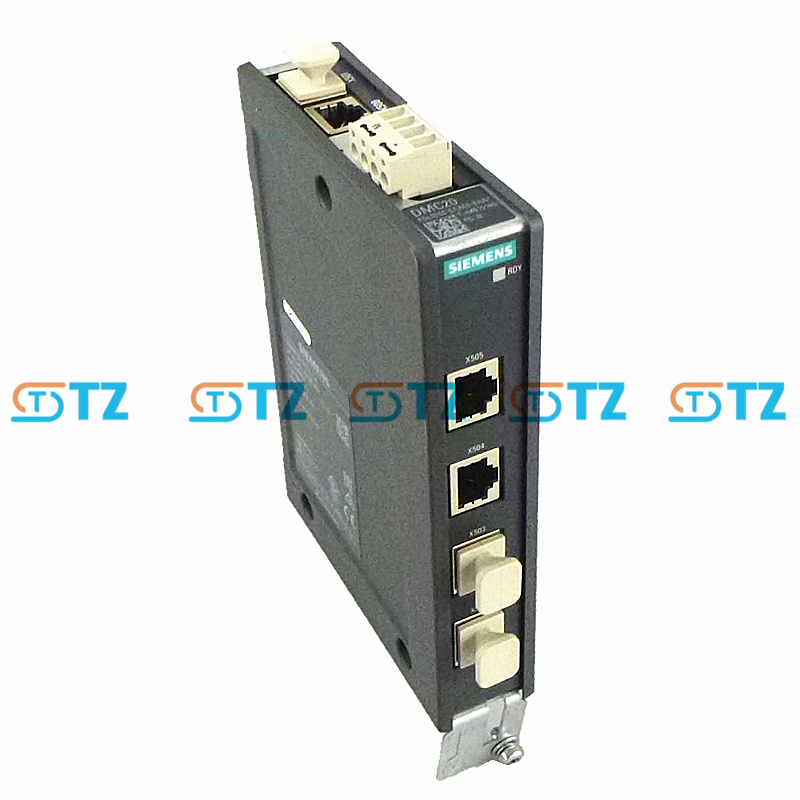
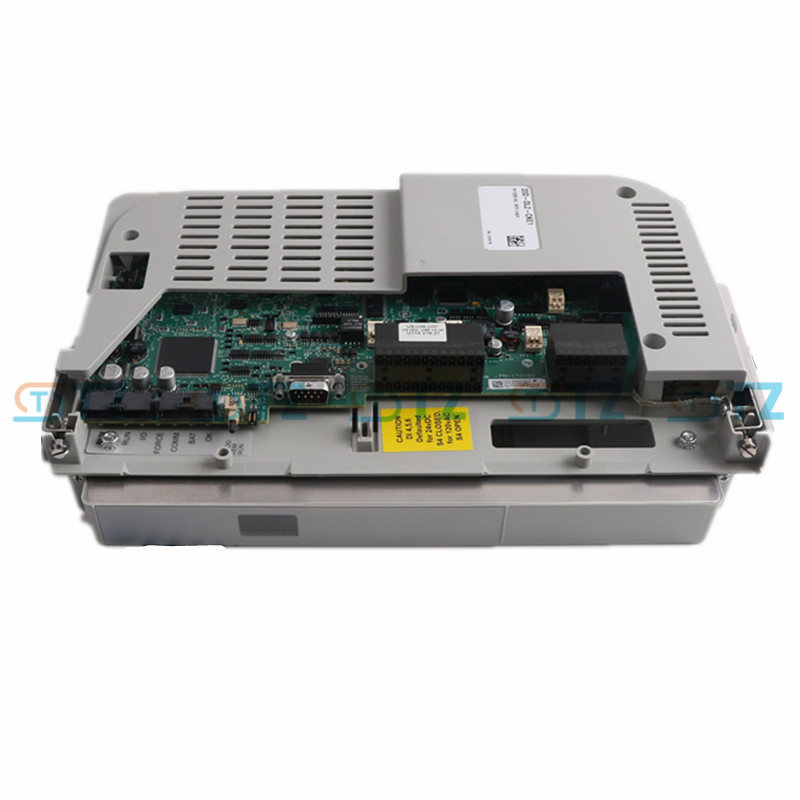
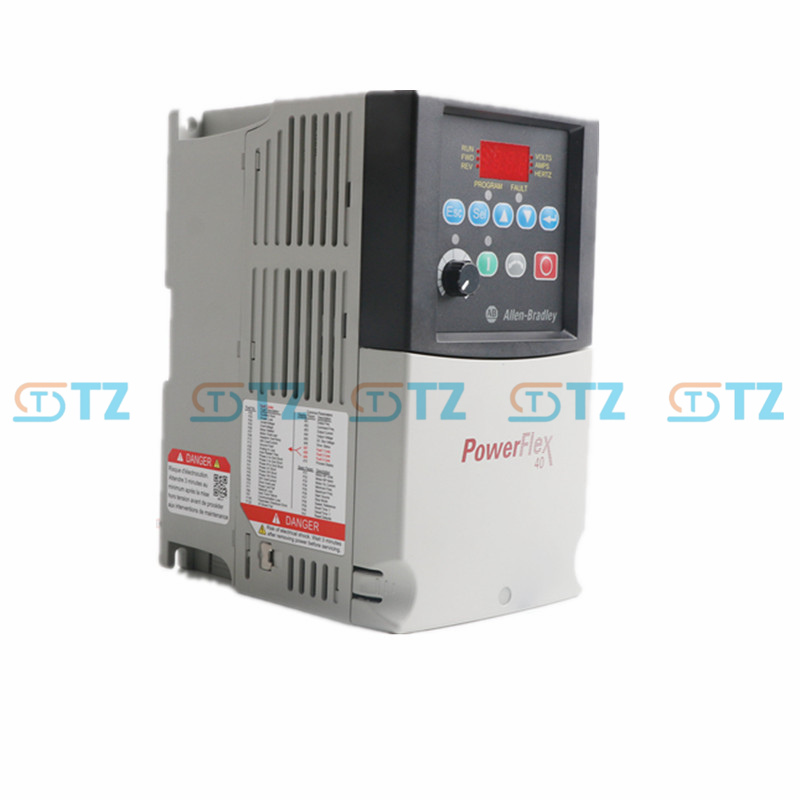
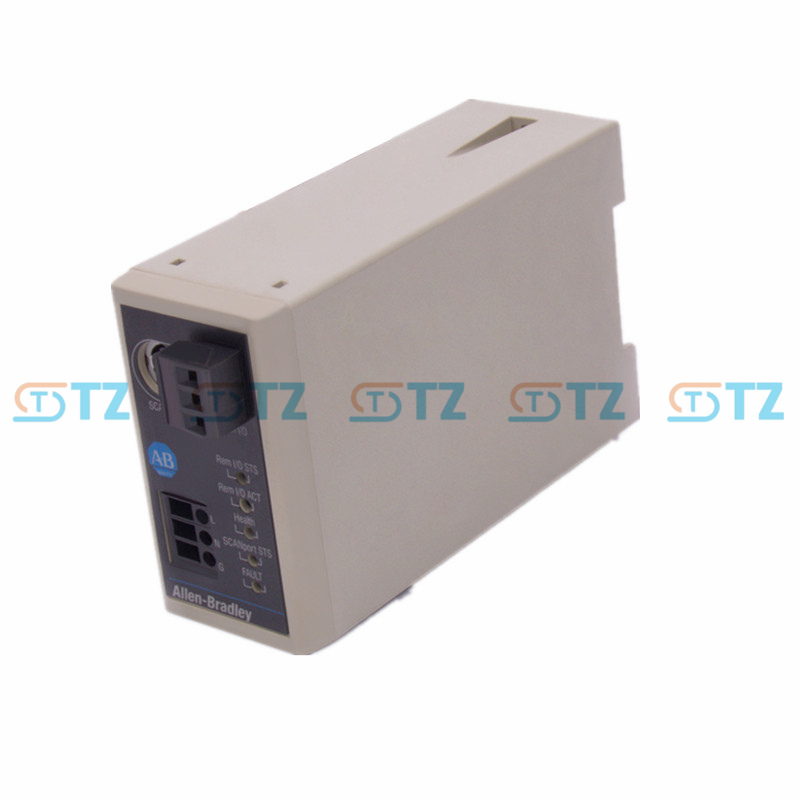
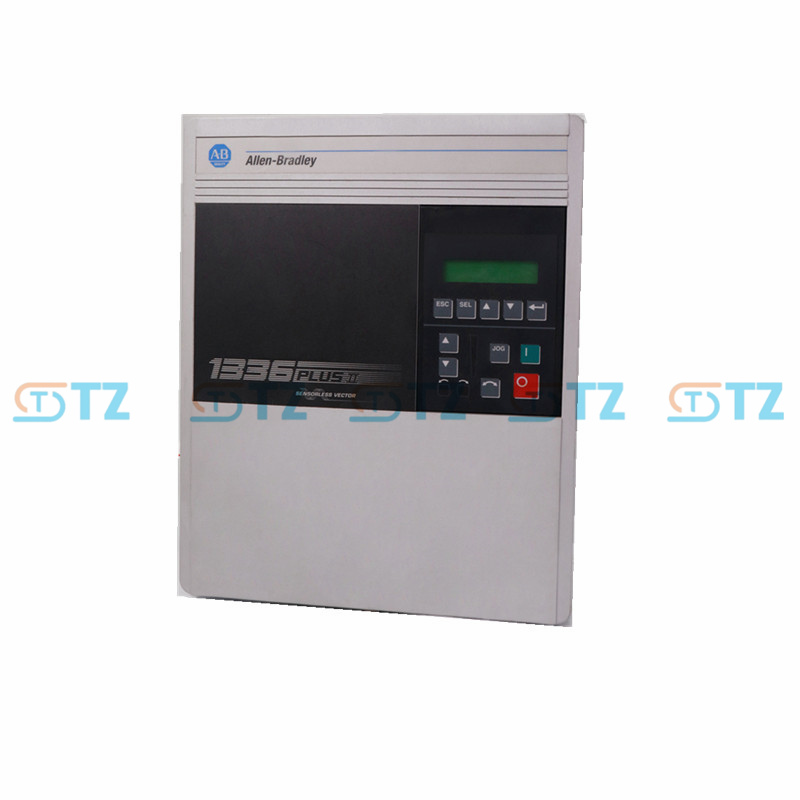
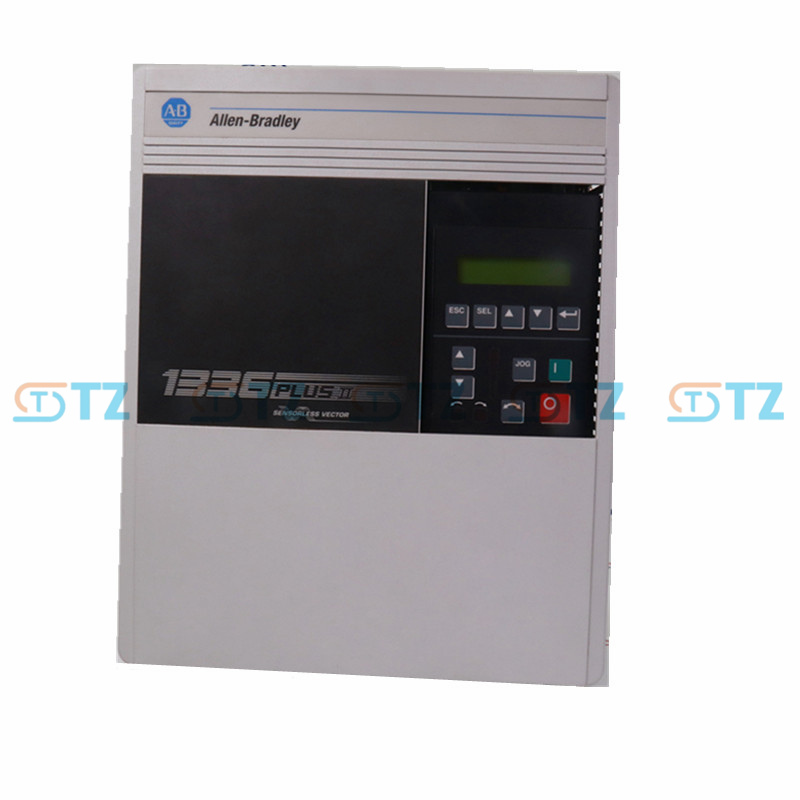
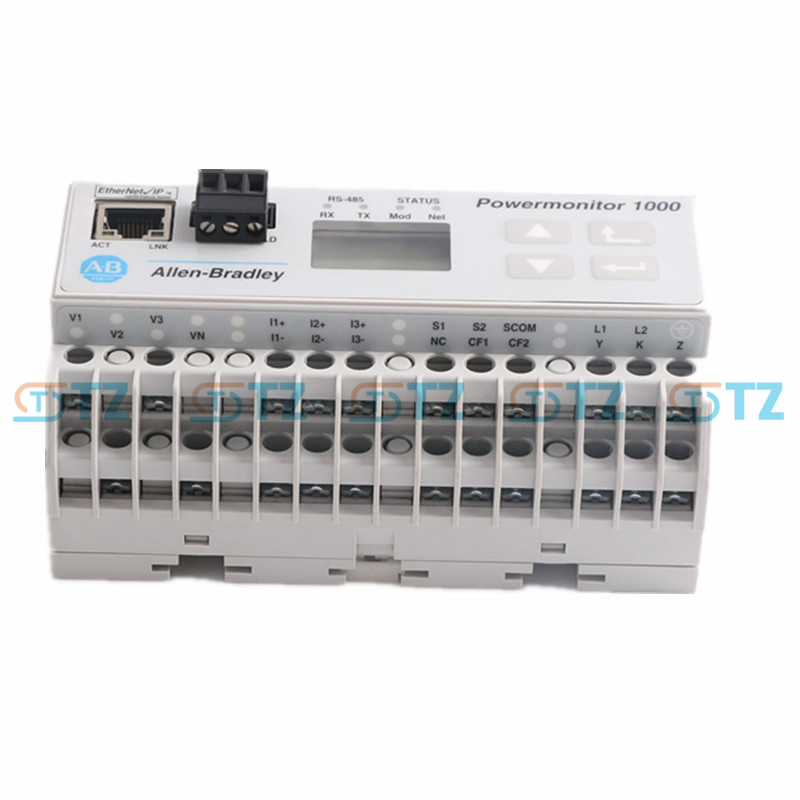
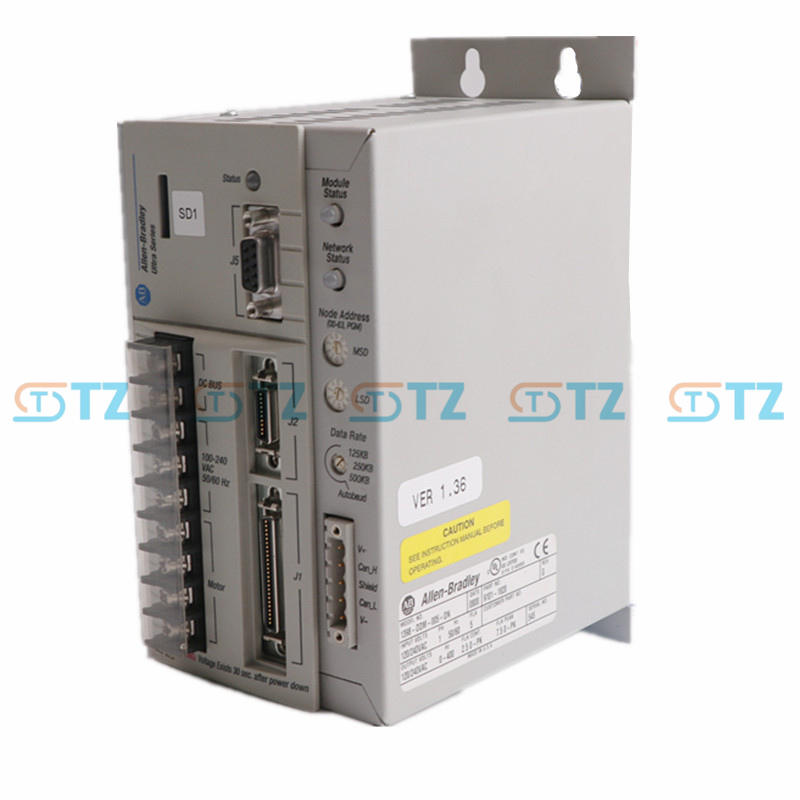
Siemens (Germany): As an advocate of Industry 4.0, its TIA (Total Integrated Automation) and Digital Enterprise Suite constitute the core barrier of integrated hardware and software. Rockwell Automation (USA): A dominant player in the North American market, Rockwell Automation's "Connected Enterprise" strategy is its core strength. Its FactoryTalk software suite is deeply integrated with the Logix control platform, giving it a significant advantage in discrete manufacturing, particularly in automotive, packaging, and life sciences. Its deep collaboration with PTC further strengthens its capabilities in digital twins and AR applications.
Schneider Electric (France): Leveraging its EcoStruxure open architecture, Schneider Electric has successfully extended its strengths from energy management to industrial automation. Its acquisition of AVEVA has resulted in a highly competitive full lifecycle solution, from design and construction to operation and maintenance, in the building, infrastructure, and hybrid process industries. Its Modicon PLC and TeSys motor control product lines have a broad market base.
ABB (Switzerland/Sweden): A world leader in robotics, motion control, and electrification. Its ABB Ability digital platform covers everything from equipment to the cloud. It possesses strong technological capabilities, particularly in robotic automation (especially the YuMi and SWIFTI collaborative robot series) and process automation (derived from its integration with B&R).
II. Market Segments and Key Component Leaders
Besides the conglomerates, several brands have established unshakeable advantages in specific products or vertical sectors.
FANUC (Japan): The leading global industrial robot manufacturer, renowned for its extremely high reliability, precision, and integration. Its "zero downtime" philosophy and vast Fanuc system ecosystem make it a standard component in machine tools, automotive assembly lines, and other fields.
Mitsubishi Electric (Japan): Offers a complete product line in the FA (factory automation) field, from PLCs, servos, and inverters to industrial robots and CNCs, boasting extremely high cost-effectiveness and market share, especially popular for small and medium-sized projects in Asia.
Omron (Japan): Excels in sensors, vision systems, and control components. Its "i-Automation!" concept focuses on "integration (control upgrades)," "intelligence (ICT applications)," and "interaction (human-machine collaboration)," demonstrating outstanding performance in precision manufacturing fields such as electronics and semiconductors, and medical equipment.
Emerson (USA): A traditional powerhouse in process automation, its DeltaV system is a benchmark in industries such as chemicals, oil and gas, and life sciences. Recently, it has been promoting software-defined automation, aiming to simplify the operation of complex process plants.
III. The Strong Rise of Chinese Brands: From "Domestic Substitution" to "Technological Innovation" In recent years, Chinese industrial automation brands have shown astonishing growth rates and innovation capabilities, breaking through from the low-end market to the mid-to-high-end market.
Inovance Technology: Known as "China's Little Siemens," its product line covers frequency converters, servo systems, PLCs, industrial robots, and new energy electrical control. With its rapid response to the local market, high cost-effectiveness, and industry-customized solutions, it has made significant inroads in the lithium battery, photovoltaic, elevator, and general manufacturing industries, and its servo and PLC market share has entered the top tier domestically.
Supcon Technology: China's "national team" in process industry automation. Its Distributed Control System (DCS) has maintained the number one market share in key domestic sectors such as chemical and petrochemical industries for many consecutive years, and is undergoing a comprehensive transformation from an automation product supplier to a smart manufacturing solutions provider.
Estun: A leading domestic industrial robot company, it has rapidly acquired core technologies through multiple overseas acquisitions (such as Cloos), building a competitive full-industry chain from core components and robot bodies to solutions for specific industry segments.
Other important players: Including Delta (Taiwan, strong in drive and power supply), Xinje Electric (small PLCs and servos), Hechuan Technology, and Leadshine Intelligent, all are active in their respective niche markets, jointly promoting the self-reliance of China's manufacturing industry.
IV. Future Trends: Software-Defined and Ecosystem Competition
Industry analysis indicates that the focus of competition in industrial automation is shifting from single hardware performance to a comprehensive contest of "software platforms + industry knowledge + open ecosystems." The deep application of AI and machine learning in predictive maintenance, visual inspection, and process optimization, as well as cloud-based open automation architectures, will be key to the next round of reshuffling.
In summary, the current industrial automation brand landscape has clearly formed a hierarchy. International giants, with their deep-rooted expertise, are leading the technological direction, while Chinese brands, with their agility, cost advantages, and increasingly sophisticated product capabilities, are reshaping the global market. For end users, the choice is not only about the brand, but also about whether it can provide an ecosystem and pathway that matches their own digital future.
We specialize in providing the PLC and DCS control system parts, electrical parts,etc.Our product is extensive,such as Allen Bradley,Siemens,ABB,Honeywell,GE Fanuc,Pepperl Fuchs,Emerson,etc.Please let me know if you are interested in learning more. I would be happy to provide detailed information and samples.

Please read on, stay posted, subscribe, and we welcome you to tell us what you think.


Sitemap | Blog | XML | Privacy Policy
In addition, with your permission, we want to place cookies to make your visit anointeraction with slOC more personal. For this we use analytical and advertisingcookies. With these cookies we and third parties can track and collect yourinternet behawior inside and outside super-instrument.com. With this we and third parties adapt super-instrument.com and advertisementsto your interest. By clicking Accept you agree to this. If you decline, we only usethe necessary cookies and you unfortunately will not receive any personalizedcontent. Please visit our Cookie policy for more information or to change yourconsent in the future.
Accept and continue Decline cookies