
BEYOND THE FIREWALL: SECURING PLC NETWORKS IN THE AGE OF IIOT AND EDGE COMPUTING
Industrial automation is undergoing a radical transformation. What were once isolated "islands of automation" are now nodes on a global network. While the integration of the Programmable Logic Controller (PLC) with cloud-based analytics has unlocked unprecedented levels of efficiency, it has also opened the door to sophisticated cyber threats. For modern engineers, PLC programming is no longer just about logic and timing—it is about building resilient, secure architectures that can withstand the evolving landscape of industrial espionage and ransomware.
The Shift from Air-Gapped to Hyper-Connected Systems
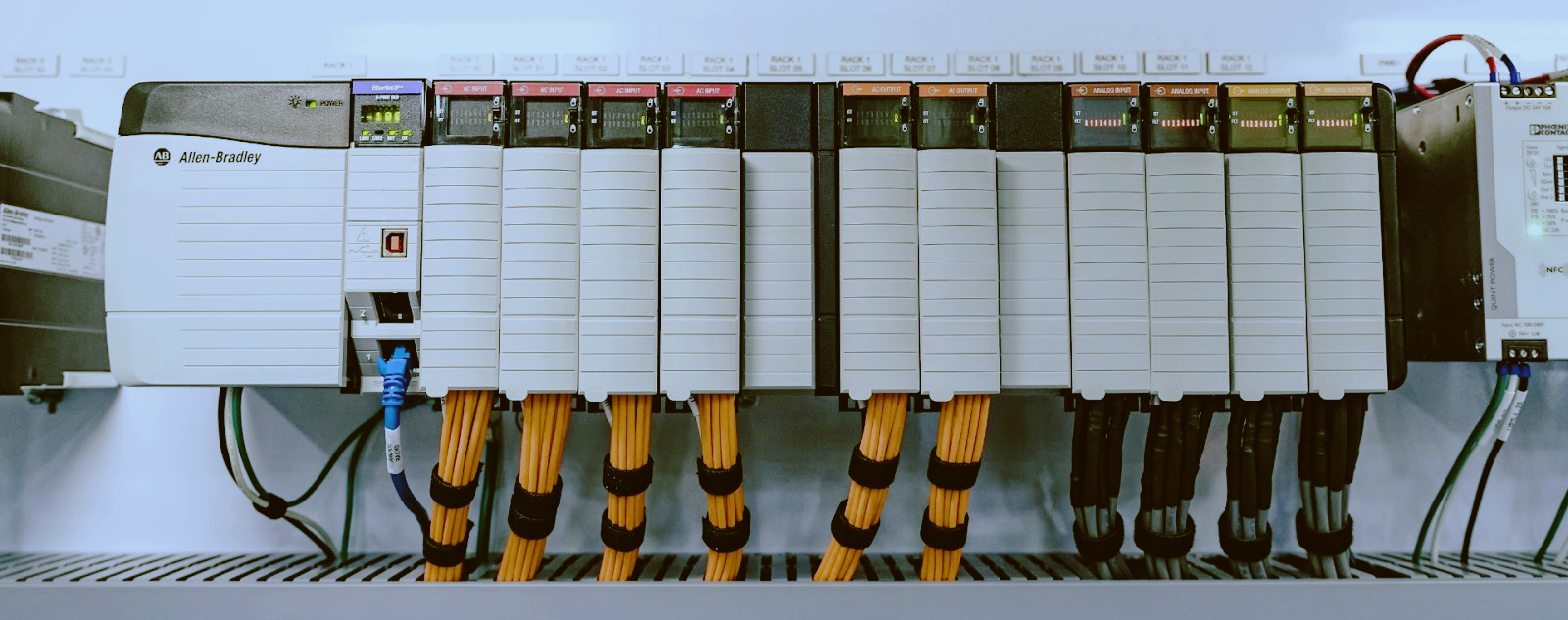
For decades, the primary defense for a PLC was the "air gap"—the physical isolation of the factory floor from the internet. However, the rise of Industrial Automation 4.0 has made the air gap a relic of the past. To leverage IIoT (Industrial Internet of Things) benefits, such as remote monitoring and predictive maintenance, controllers from brands like Siemens, Allen-Bradley, and Schneider Electric must communicate with Enterprise Resource Planning (ERP) systems and cloud dashboards.
This connectivity creates "attack vectors." A vulnerability in a workstation or a misconfigured VPN can allow an attacker to reach the plant floor. Once inside, they can modify PLC programming, alter setpoints, or even disable safety interlocks, leading to catastrophic equipment failure or production downtime.
Understanding Common PLC Vulnerabilities
To implement effective PLC troubleshooting and security, one must understand where the weaknesses lie. Most legacy industrial protocols, such as Modbus TCP or early versions of EtherNet/IP, were designed for performance, not security. They often lack encryption and authentication, meaning that any device on the network can send commands to the PLC.
Key vulnerabilities in modern systems include:
· Insecure Communication Protocols: Data sent in "clear text" can be intercepted or spoofed.
· Legacy Firmware: Many controllers in the field run firmware that is years out of date, containing known exploits.
· Unprotected Engineering Ports: Ports used for PLC programming and diagnostics are often left open and unmonitored.
· Weak Credential Management: Default passwords or shared accounts across the maintenance team.
· Defense-in-Depth: A Multi-Layered Security Strategy
Securing a factory requires a "Defense-in-Depth" approach. This means relying on multiple layers of security so that if one fails, others are in place to stop the threat.
1. Network Segmentation and Micro-segmentation The first line of defense is separating the Industrial Control System (ICS) network from the standard office network. Using industrial firewalls and VLANs (Virtual Local Area Networks), you can ensure that only authorized traffic moves between the PLC and the outside world. Leading brands like Phoenix Contact and Moxa provide specialized hardware to manage this boundary.
2. Implementing Secure Protocols (OPC UA and Beyond) Transitioning from legacy protocols to secure alternatives is vital. OPC UA (Open Platform Communications United Architecture) has become the gold standard for secure Industrial Automation. It supports digital certificates and encryption, ensuring that the PLC only accepts commands from verified sources.
3. Hardening the PLC Hardware Modern controllers, such as the Siemens S7-1500 or the Allen-Bradley ControlLogix 5580, come with built-in security features. This includes the ability to disable unused ports, enforce "Read-Only" access for specific users, and log all changes to the PLC programming.
The Role of PLC Programming in Cybersecurity
Security is not just a network issue; it starts with how you write your code. Secure PLC programming practices can act as a final safety net. For instance, programmers should implement "Sanity Checks" within the logic. If a command is received to move a motor at a speed that is physically impossible or dangerous, the code should override that command and trigger a safe state.
Furthermore, engineers should move away from hard-coding sensitive information. Using Structured Text (ST) to handle encrypted communication blocks is a growing trend among senior automation developers. By treating the PLC as an "Edge Device," you can process and scrub data locally before sending it to the cloud, reducing the sensitive information that leaves the plant floor.
PLC Troubleshooting in the Wake of a Cyber Event
When a system behaves erratically, the initial reaction is often to check for hardware failure or a coding bug. However, modern PLC troubleshooting must now include "Cyber Forensics."
Signs of a potential compromise include:
· Unexpected changes in the controller's scan time.
· Diagnostic logs showing failed login attempts or unauthorized "Upload/Download" requests.
· Out-of-range sensor values that do not align with physical reality.
· Regularly backing up the PLC programming and maintaining "Golden Images" (verified clean versions of the code) is essential for rapid recovery after an incident.
Industry Standards: Following the IEC 62443 Roadmap
For companies looking to build a world-class security posture, the IEC 62443 series of standards is the primary guide. It provides a comprehensive framework for both vendors (like Honeywell or ABB) and end-users to secure industrial systems throughout their lifecycle. Adhering to these standards is becoming a requirement for high-end B2B contracts in the automotive and pharmaceutical sectors.
The Human Factor: Training and Policy
No amount of technology can protect a factory if a technician plugs an infected USB drive into a PLC programming port. Personnel training is the most critical component of Industrial Automation security. Establishing a "Zero Trust" policy—where every device and user must be verified before gaining access—is the only way to stay ahead of modern threats.
Conclusion: Future-Proofing Your Automation Infrastructure
As we move deeper into the era of IIoT and autonomous manufacturing, the line between IT and OT (Operational Technology) will continue to blur. The PLC is no longer a "dumb" box; it is a sophisticated computer that requires the same level of security vigilance as any corporate server.
By focusing on network segmentation, secure PLC programming, and adherence to global standards, you can turn your automation system into a fortress. Cybersecurity is not a one-time project—it is an ongoing commitment to excellence that ensures the safety, reliability, and profitability of your operations for years to come.

Please read on, stay posted, subscribe, and we welcome you to tell us what you think.


Sitemap | Blog | XML | Privacy Policy
In addition, with your permission, we want to place cookies to make your visit anointeraction with slOC more personal. For this we use analytical and advertisingcookies. With these cookies we and third parties can track and collect yourinternet behawior inside and outside super-instrument.com. With this we and third parties adapt super-instrument.com and advertisementsto your interest. By clicking Accept you agree to this. If you decline, we only usethe necessary cookies and you unfortunately will not receive any personalizedcontent. Please visit our Cookie policy for more information or to change yourconsent in the future.
Accept and continue Decline cookies